Where does Delhi get water from?

Where does Delhi get water from?

90 percent of water in Delhi comes from sources like the Ganges and Yamuna rivers which originate from the mountains of Uttarakhand state. The water of these rivers is filtered by ten water treatment plants in Delhi and is supplied to the houses of Delhiites by 120 reservoirs or reservoirs. Water samples from the water treatment plant are then tested against the standards of the BIS (Bureau of Indian Standards).

Today it is important to understand the lack of clean drinking water in Delhi and it is important for the people of Delhi to be aware of the water wastage. If we continue to waste groundwater in this way and do not understand the value of water coming from rivers, then soon one will have to yearn for each drop of water.

So let’s join those who are doing the work of transporting wastewater into the earth with the help of new technology & methods. Let’s support those who are bringing new ideas of water conservation and groundwater recharge into practice. Mission Green Mumbai NGO and Center for Science and Environment(CSE) have been very active in helping schools in executing water conservation and groundwater recharge systems.

While the government is planning several water treatment plants to filter the clean water, citizens also have to take initiatives to conserve water in our homes and in our society and colony. Preserving life sources trees and the life sources of trees, water, has become another goal of Mission Green Delhi Community today.

Come and join the Mission Green Delhi Community Platform and talk about the problems related to water, and talk about what we can do as a citizen and how we can connect with the government.

Click here to start conversation in community.

Loading

First Urban Forest in Dwarka using Miyawaki

First Urban Forest in Dwarka  using Miyawaki

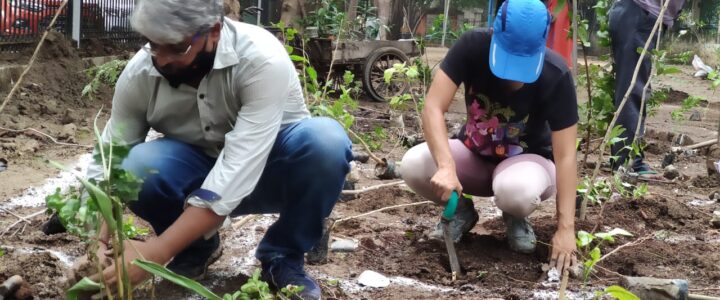
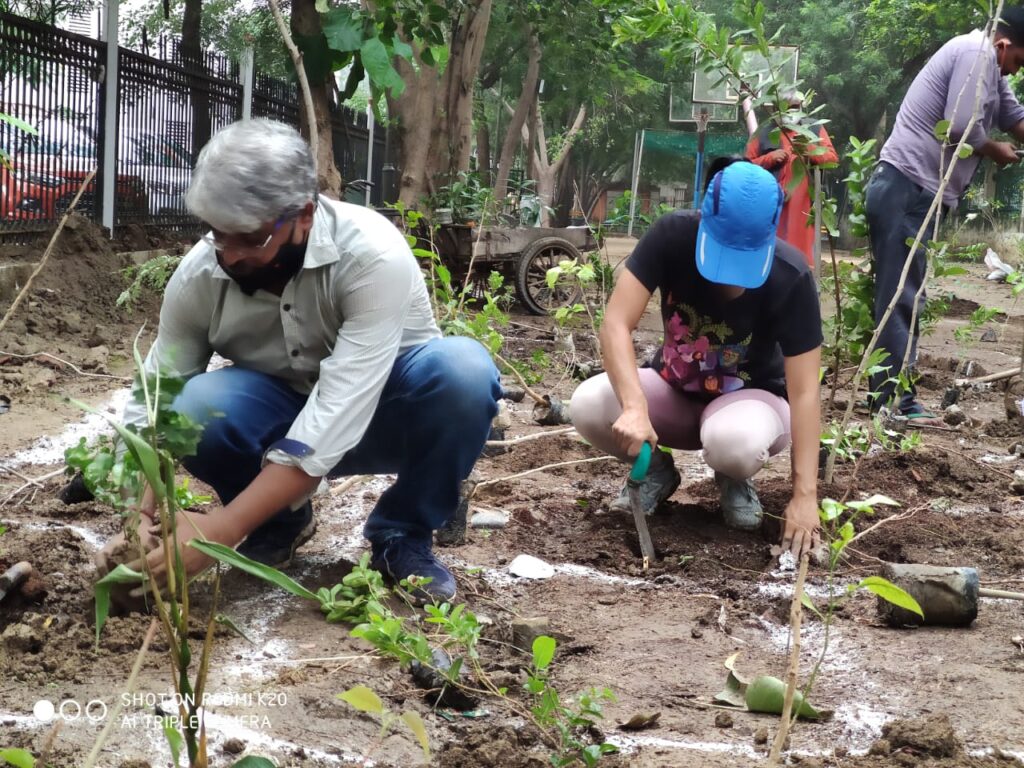
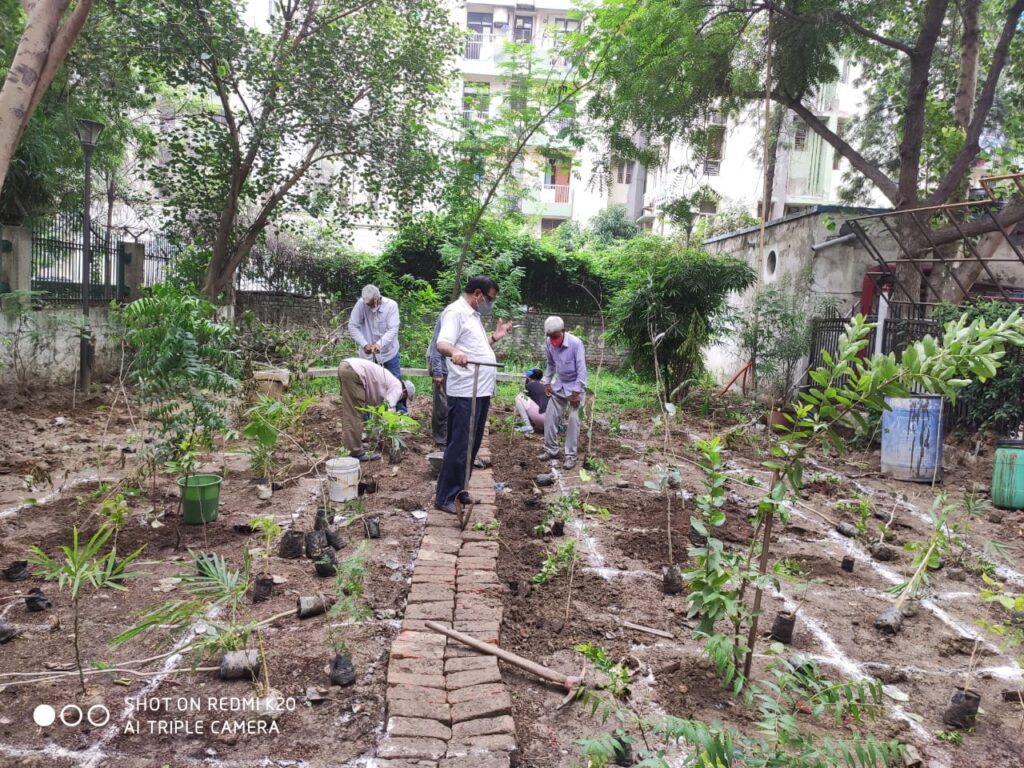
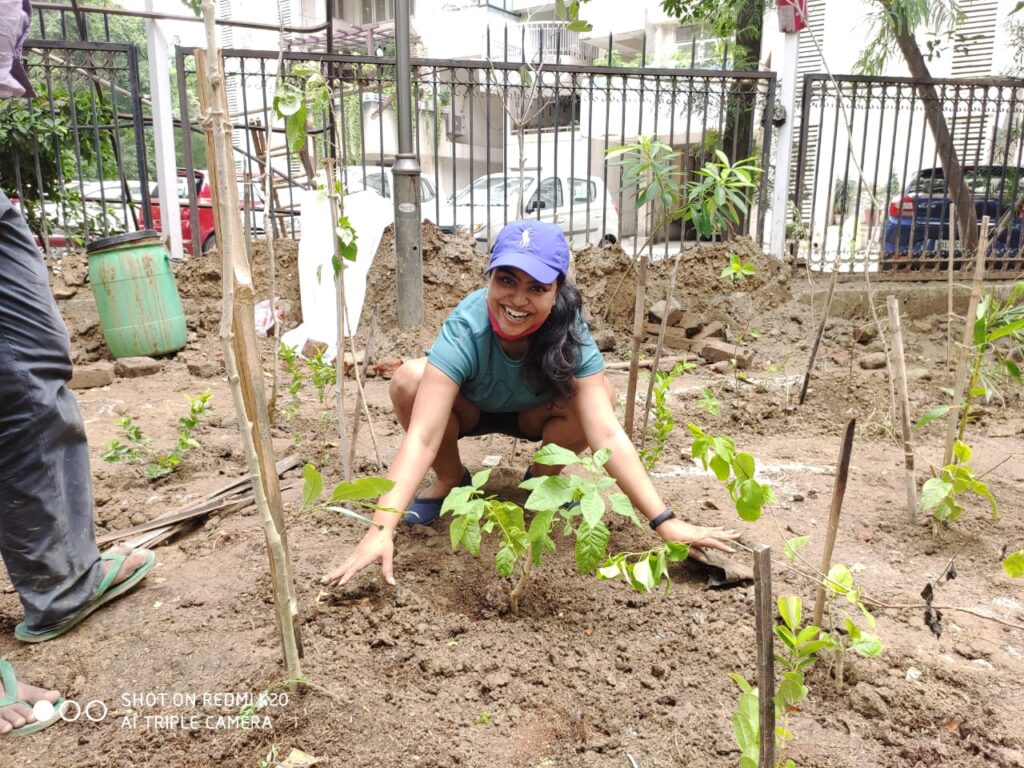
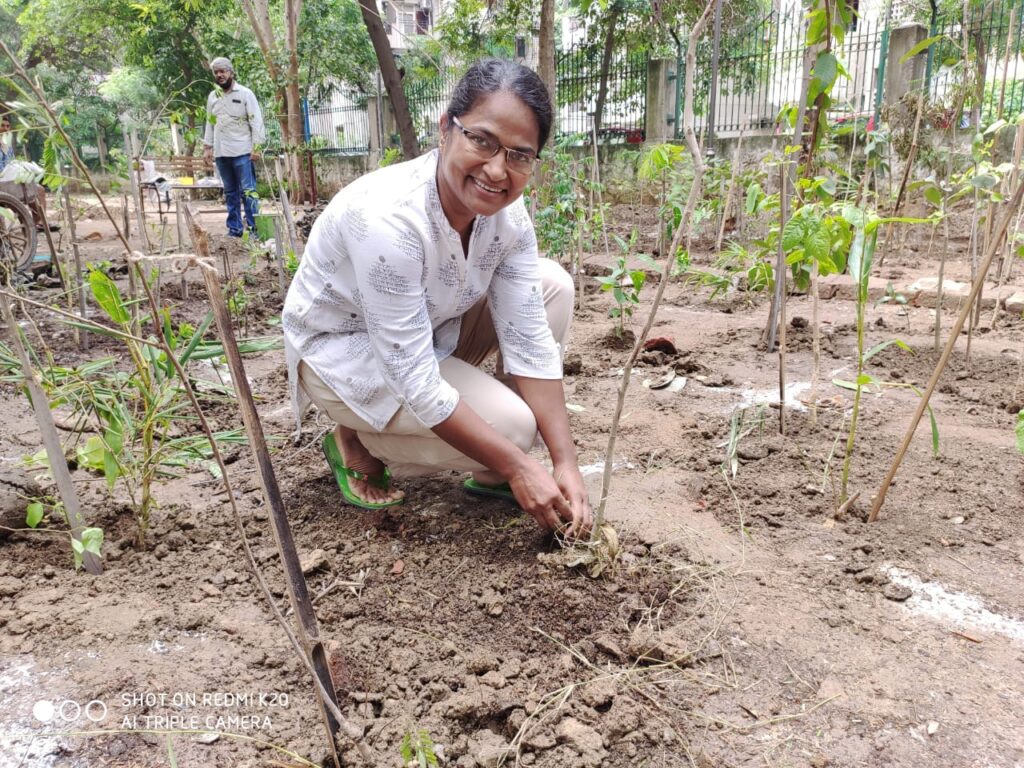
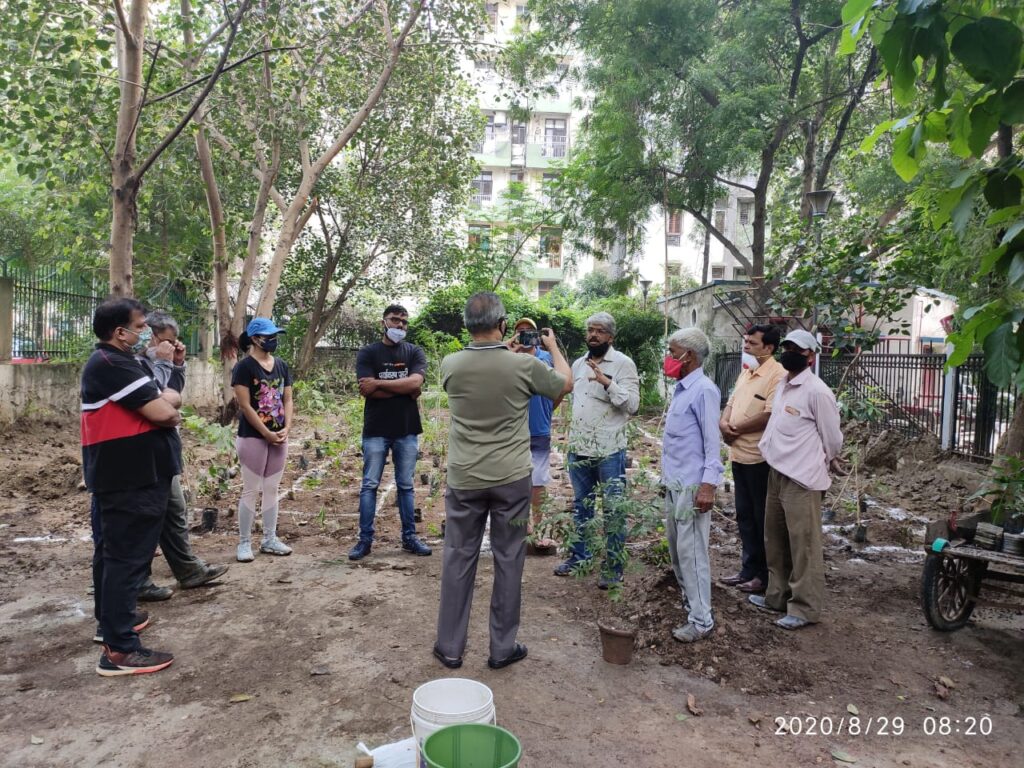
The first Urban forest comes up in Dwarka Sector 7 using Miyawaki Technique- Environment enthusiasts came together to plant 180 trees using the Japanese technique in the green belt adjoining Brahma Apartments in sector 7 Dwarka. Native trees like Neem, Jamun, Amla, Peepal, Guava, Mango, Karonda, Kaner, Bamboo, Calandera etc……. were planted. Using this technique, plants grow very fast and the success rate of tree survival is more than 70%. The oxygen content of the area using this method is 30% more as compared to the traditional method of tree plantation.

The Project is led by Sh Madhukar Varshney and team members (Madhuri Varshney, Deepak Bhardwaj & Munish Kundra) from Rise foundation.

The occasion was graced by Palam Vidhana sabha MLA Sushree Bhawna Gaur, Dr Indra Mani (Senior Scientist, IARI), Sh. Selva Rajan founder of Green Circle, Sh. Ramesh Mumukshu, Environmentalist and several other environment enthusiasts. This project is based on #communityengagement and was crowd funded. We are very much thankful to all generous donors whose contribution and blessing made this project a successful one. We also pay are gratitude to Management of #brahma #apartment #sec7 for their whole hearted support.

Thanks a lot to Madhukar Varshney for sharing this story with Mission Green Delhi audience.

Loading

“A Talk With An Expert” organized by SNEH International School with MGD Experts

“A Talk With An Expert” organized by SNEH International School with MGD Experts

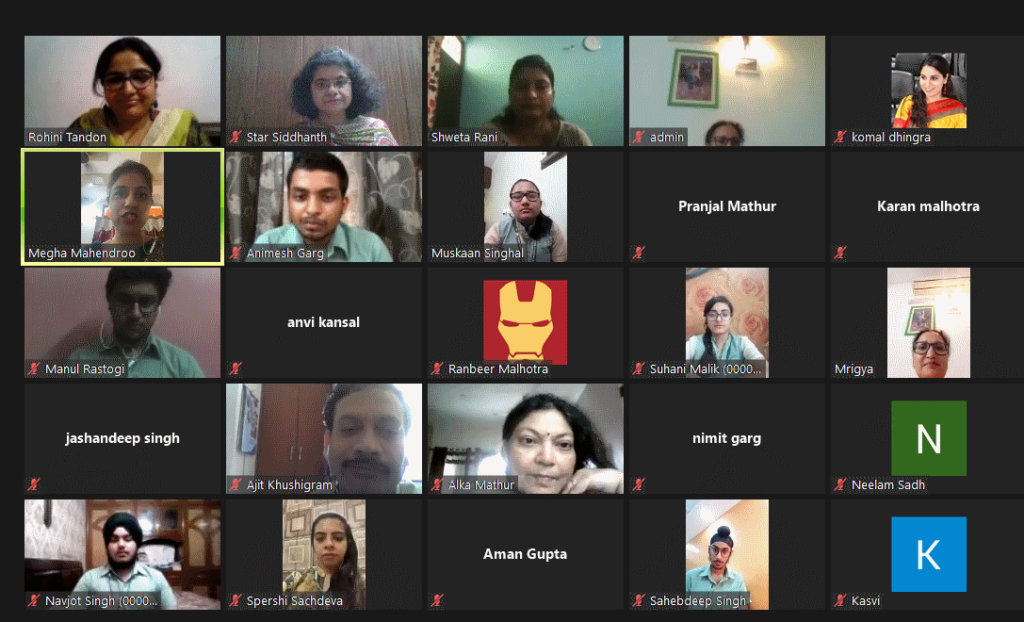
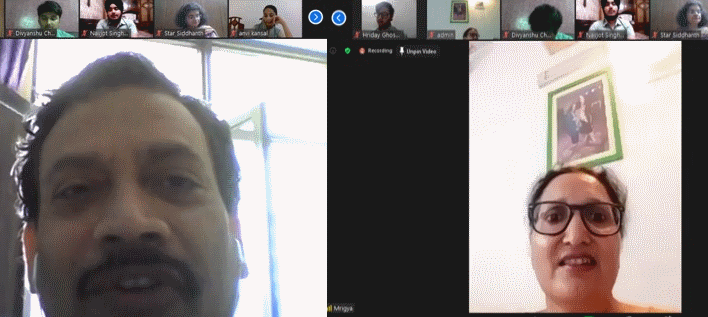
SNEH International School organized “A Talk With An Expert” for the students of Classes 11 and 12 (Science Stream) as a part of ISA Activity ‘Every Step Counts-Carbon footprints’ on August 4, 2020 via a Zoom Meeting. Mr. Ajit Kumar, founder of Khushigram –a sustainable village and an active member of Mission Green Delhi; and Ms. Mrigya Mukaam, an environmentalist and a pioneer member of Mission Green Delhi, graced the occasion and guided the students.

Mr. Ajit Kumar interacted with the students and suggested various methods that could be adopted in our daily lives to help us reduce our carbon footprints. He also laid stress on increasing kindness footprint rather than carbon footprint and insisted on sharing and pooling resources to minimize waste. Ms. Mrigya gave simple examples of things we use not realizing the amount of resources involved in its usage just like a piece of chocolate.

Principal, Mrs Alka Mathur, encouraged the students to use electricity wisely as it is first basic step towards reducing ones carbon footprints. Vice Principal, Ms. Komal Dhingra, also gave many examples like that of online shopping that results in too much of packaging material and add to waste. This interactive session proved to be an enriching experience for the students as they actively participated in the discussion.

MGD Experts Ajit Kumar & Mrigya Mukaam in an online session with students;

What are you looking for ?

    ×
    Connect with Us

      ×
      Subscribe

        ×